

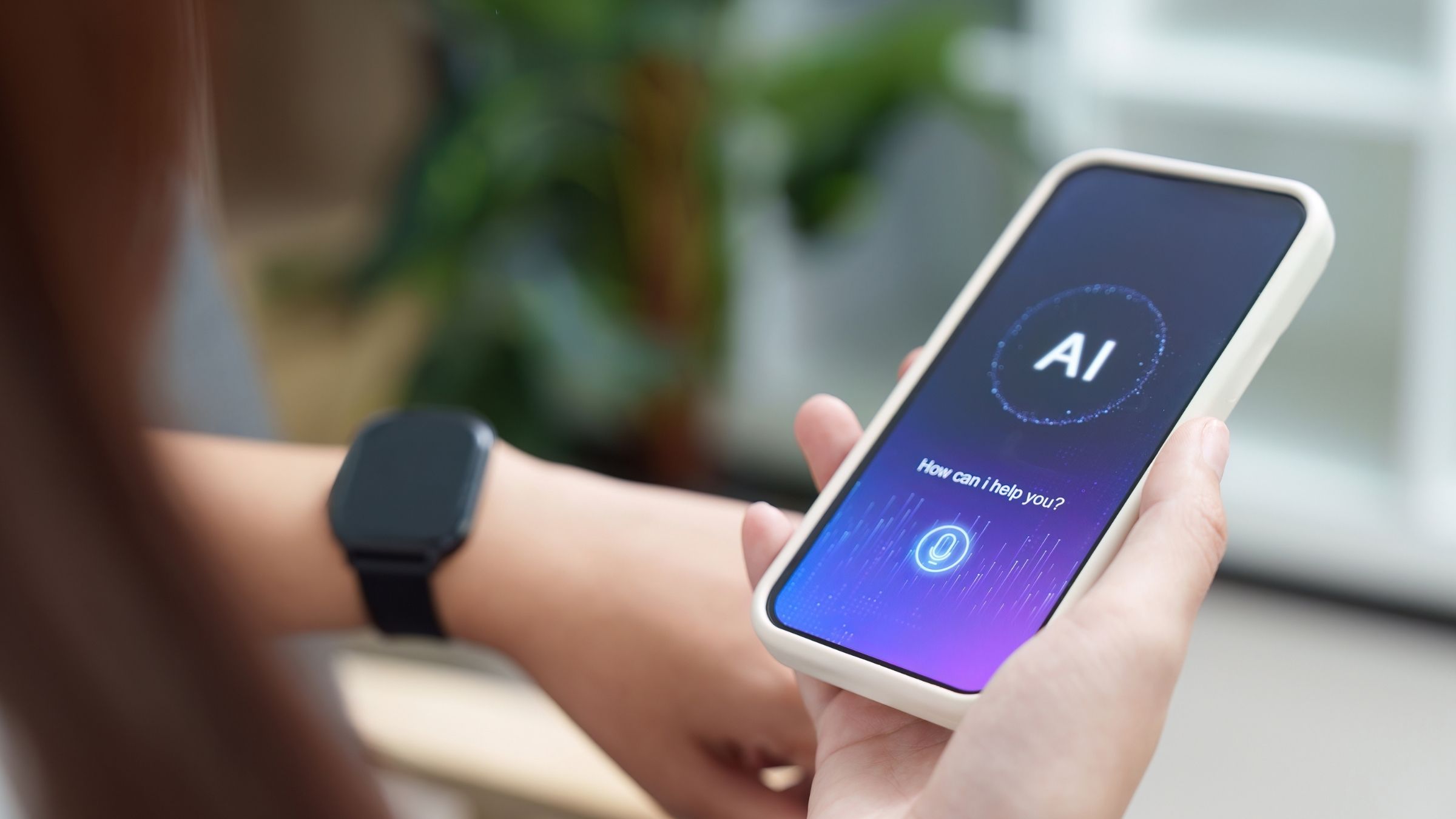
Zero-click search is when a user gets their answer directly on the search or AI results page — from an AI Overview, chatbot response or answer summary — and never clicks through to a website. It’s no longer an edge case; it’s the default. Bain & Company’s research found that roughly 60% of searches now end without the user clicking through to another website, and about 80% of consumers rely on zero-click results in at least 40% of their searches — reducing organic web traffic by an estimated 15% to 25%.
Here’s what most traffic reports miss: those buyers didn’t vanish. They researched, compared and formed preferences — inside the answer. The question is whose brand was in it.
What Zero-Click Search Actually Changed
The old model was a straight line: search → click → website → conversion. Every step was measurable, and every optimization targeted the click. Zero-click search broke the line in three places.
The answer replaced the visit. Pew Research Center found that when an AI summary appears on a Google results page, users click a traditional result just 8% of the time — nearly half the rate of pages without one — and click a source inside the AI summary only 1% of the time. The information still transfers; the visit doesn’t.
The shortlist forms before you know it exists. Bain found that 85% of B2B buyers ultimately purchase from their “day one” list — the vendors they had in mind before actively engaging, with click-through rates in some B2B categories down as much as 30% since AI summaries arrived. The consideration battle is now fought, and often finished, off your website.
Your analytics went partially blind. A brand can be winning massive AI-answer consideration — or hemorrhaging it to a competitor — with no signal in Google Analytics either way. These are silent leads: consideration you never see, and never knew you lost.
How to Win Zero-Click Search
Winning without the click means optimizing for presence in the answer, not just position on the page.
- Be the citable source. Direct answers, structured content, schema markup and genuine authority are what AI systems select. If your content is built to be quoted, being quoted becomes your distribution.
- Optimize for brand impression, not just traffic. In a zero-click world, your brand name appearing in the answer is the win. Clear positioning and consistent entity signals ensure that when AI mentions you, it says the right things.
- Track the metrics that see the invisible. Citations across ChatGPT, Perplexity, Gemini and Google AI Overviews; competitive rankings on your buyers’ actual prompts; share of voice over time. MaxMentor’s visibility dashboard monitors all of these daily — turning silent leads into a measurable channel.
- Watch branded search as your proof point. When zero-click visibility works, more people search your brand by name. Rising branded search volume alongside flat generic traffic isn’t a failure — it’s the new success pattern.
- Keep the cadence. AI systems favor fresh, consistent, authoritative content. Zero-click visibility compounds with publishing discipline, which is precisely what automation makes sustainable.
The Bottom Line
Zero-click search didn’t shrink demand — it moved the decision upstream, into answers your analytics can’t see. The brands that win there treat AI visibility as a managed channel: measured in citations and share of voice, built on citable content, and sustained at a cadence competitors can’t match.
The goal isn’t more traffic for traffic’s sake. It’s being present at the moment the shortlist forms.
Ready to win the buyers who never click? Schedule a consultation.
Frequently Asked Questions About Zero-Click Search
What is zero-click search?
Zero-click search is when a user’s question is answered directly on the search or AI results page — through an AI Overview, featured answer or chatbot response — so they never click through to a website. Bain & Company found roughly 60% of searches now end this way.
Is zero-click search bad for my business?
It’s bad for traffic, but not necessarily for business — if you adapt. Buyers still research and decide; they just do it inside answers. Brands cited in those answers win consideration and branded demand. Brands absent from them lose silently. The risk isn’t zero-click behavior itself; it’s being unrepresented in it.
How do I measure success if people aren’t clicking?
Shift from click metrics to answer metrics: how often AI tools cite your brand, where you rank against named competitors on real buyer prompts, your share of voice in AI answers over time, and branded search volume as the downstream proof. MaxMentor tracks the first three daily across ChatGPT, Perplexity, Gemini and Google AI Overviews.
What are silent leads?
Silent leads are prospects who research and effectively decide inside AI answers without ever visiting your website — invisible to your analytics. Competitors optimized for AI discovery win consideration you never see, and never knew you lost. Visibility tracking is how silent leads become measurable.
Can SEO still help in a zero-click world?
Yes — strong SEO fundamentals (content quality, structure, technical signals, authority) heavily influence what AI systems cite. But SEO alone optimizes for the click. Pairing it with AEO and GEO optimizes for the answer, which is where a growing share of decisions now happen.
How quickly can zero-click visibility improve?
AI systems favor fresh, well-structured content, so cited brands can see movement within weeks of consistent publishing — Market Mentors’ own climb from #3 to #1 in its competitive prompt set happened on that timescale. Sustained share of voice, though, is built on sustained cadence.